| |||||||
|
Seismic analyses are based on basic dynamic parameters of the considered object such as natural frequencies and the corresponding mode shapes. For existing buildings these parameters are beneficially determined from data recorded by in-situ measurements, especially when the structural system and utilized materials are unknown. It is proposed to use accelerometers, which are distributed regularly on the story levels above each other. As an example Figure 1 shows the positioning of accelerometers in an actual investigated residential building in Vienna. The sensors are placed next to the staircase because the apartments are occupied, and thus cannot be entered without additional logistic effort. Advantageously, the measurements are performed during the night when foot traffic is low and excitation from engines such as washing machines is very unlikely. In tall buildings the measurements cannot be conducted simultaneously for all stories since the number of available sensors is commonly limited. For such objects a reference sensor is located in a story, where it remains during the entire measurement period. After each measurement a second accelerometer is moved to a further measuring point at a different story level, until the entire building is surveyed. The response of the sensor that is moved is related to the response measured with the reference sensor. |
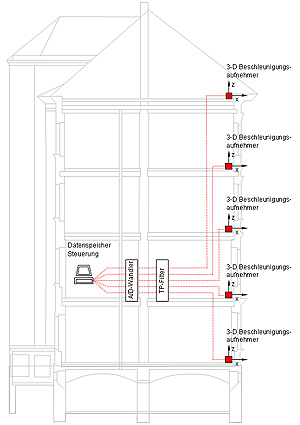
Figure 1: Sensor instrumentation of a residential building | ||||||
| |||||||